M-Tech Solar Solutions: Pakistan’s 2026 Solar Installer Guide
Buying solar panels is the easy part. The decision that actually determines whether your system runs reliably for the next 20 years is who installs it. Homeowners researching M-Tech Solar Solutions and similar installers in 2026 are usually asking the right question first: not “which panel brand is best,” but “which company will size, wire, and support this system correctly for the long run.”
This guide walks through what separates a dependable solar installer from a risky one, what proper installation services should include, and the exact questions to ask before you sign anything.
Why Choosing the Right Installer Matters More Than the Panel Brand
Solar panels themselves are fairly standardized products with 10-25 year manufacturer warranties. What actually fails early in most Pakistani installations is poor wiring, undersized cabling, incorrect inverter settings, or a battery bank that was never sized against real household load in the first place.
A premium panel installed badly will underperform a mid-range panel installed correctly. That is why vetting the installer, their certifications, their project history, and their after-sales support matters just as much as comparing wattage and efficiency ratings on a spec sheet.
What Makes a Company Like M-Tech Solar Solutions a Trustworthy Choice?
A trustworthy solar company in Pakistan should be able to show you completed projects in your city, not just stock photos. It should offer a written system design with load calculations, not a verbal estimate scribbled on a notepad during a sales visit.
Companies such as M-Tech Solar Solutions build reputation through transparent quoting, proper net metering paperwork support, and technicians who return calls after the installation is finished, not just before the payment clears. That last point, genuine after-sales follow-up, is where most lesser installers quietly disappear.
Red Flags to Avoid When Hiring a Solar Company
- No physical office or verifiable business address in Pakistan
- Reluctance to provide written warranty terms for panels, inverter, and batteries separately
- Pressure to pay the full amount upfront before any equipment is delivered
- No mention of net metering registration support if you plan to export power to the grid
- Vague answers when you ask about cable sizing, earthing, or surge protection
What Should Quality Solar Installation Services Include?
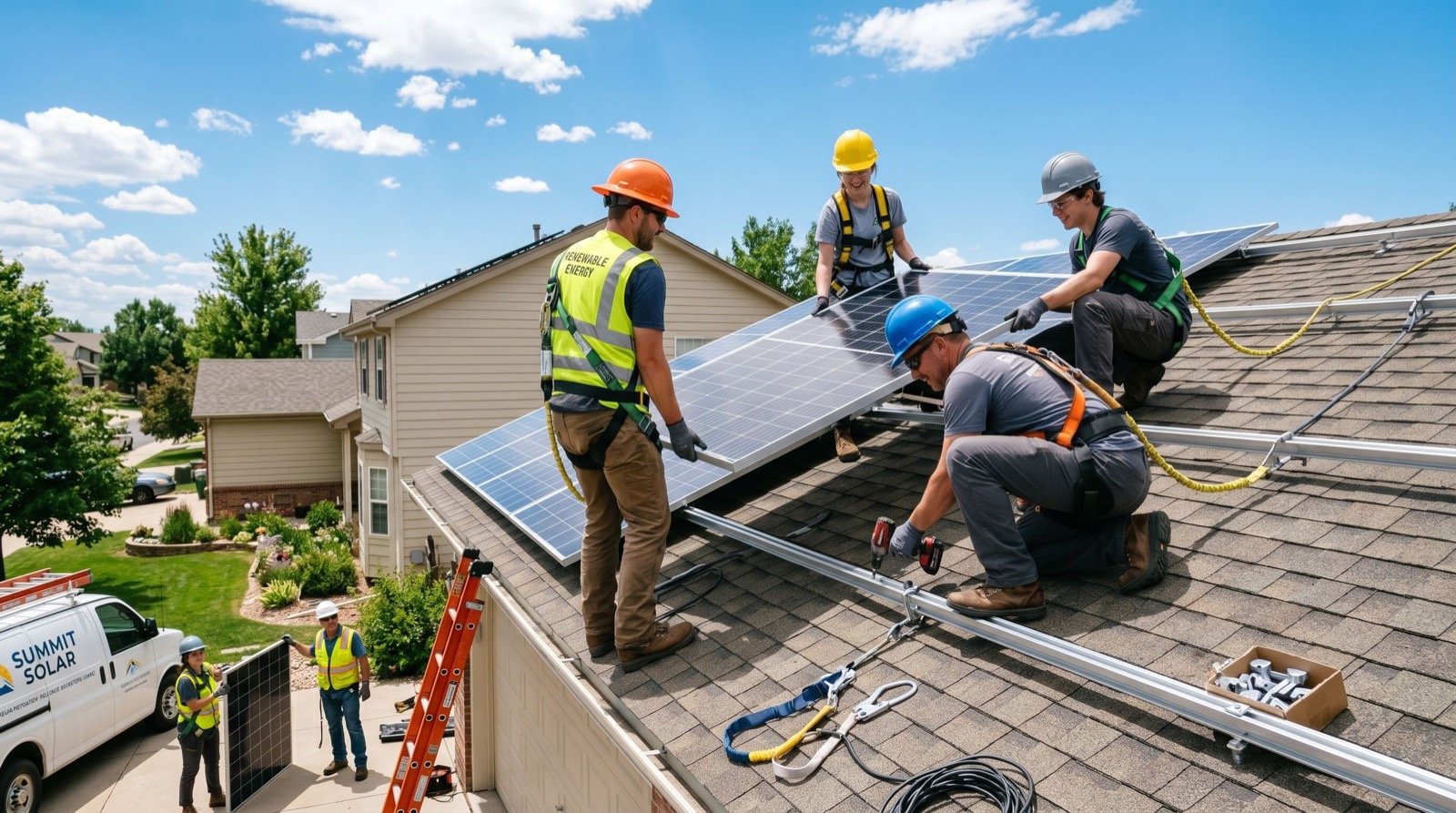
Proper solar installation services go well beyond mounting panels on a rooftop. A complete service package should cover site survey and shading analysis, structural assessment of your roof, correctly rated DC and AC cabling, earthing and lightning protection, inverter commissioning, and a final walkthrough explaining how to monitor your system.
If an installer skips the site survey and jumps straight to a quote based only on your electricity bill, that is usually a sign they are optimizing for a quick sale rather than a system that matches your roof’s actual sun exposure and load profile.
Residential vs Commercial Installer Requirements
| Factor | Residential Installation | Commercial Installation |
|---|---|---|
| Typical system size | 3kW-10kW | 15kW and above |
| Design priority | Load shedding backup, net metering | Daytime load offset, ROI period |
| Installer certification needed | Basic electrical + NEPRA net metering experience | PEC-registered engineering oversight |
| Typical payback period | 4-6 years | 2-4 years |
| After-sales priority | Battery and inverter support | Monitoring, maintenance contracts |
What to Expect During Installation Week
Once you approve a system design, a typical residential rooftop project in Pakistan moves through a few predictable stages. The installer first confirms your roof’s structural capacity and fuse box rating, then schedules equipment delivery, panels, mounting rails, inverter, and batteries if you ordered them, usually arriving together to avoid idle labor days on-site.
Mounting and wiring normally take one to three days for an average home, followed by inverter commissioning and a system test under real sunlight. If you are adding net metering, your installer should also coordinate with your local distribution company to swap in a bidirectional meter, a step that can take several weeks purely due to utility paperwork rather than anything the installer controls.
A good company walks you through the monitoring app or display, shows you how to read generation data, and explains what a normal fault alert looks like versus something that needs a service call. Skipping this handover step is common among rushed installers and often leaves homeowners unsure whether their system is even performing correctly months later.
Cost Expectations for a Reliable Installation in 2026
Pricing varies with panel brand, inverter type, and whether you include batteries, but a mid-range 5kW grid-tie system in Pakistan typically costs noticeably less than an equivalent hybrid setup with a lithium battery bank. Always ask for a line-item breakdown covering panels, inverter, batteries, mounting structure, cabling, and labor separately, rather than accepting one lump figure.
Financing has also become more common, with several installers now offering installment plans through partner banks. If cash flow is a concern, ask upfront whether staged payments tied to project milestones, delivery, mounting, and commissioning, are available instead of a single advance payment.
Questions to Ask Before You Sign a Contract
- Can you show me two or three completed installations within my city?
- What brand and warranty period applies to the inverter versus the panels versus the battery?
- Will you handle the net metering application with the distribution company, or is that on me?
- What happens if a panel or inverter fails within the first year, how fast is the response?
- Is the quoted price fixed, or can it change after installation begins?
According to Pakistan’s Alternative Energy Development Board (AEDB), solar capacity additions have continued rising sharply as more households shift toward rooftop systems to offset rising grid tariffs, which also means more installers are entering the market, making due diligence on the company you hire more important than ever in 2026.
Frequently Asked Questions
How do I know if a solar installer is actually qualified?
Ask for proof of past projects you can verify, check whether their technicians can explain cable sizing and earthing clearly, and confirm they handle net metering paperwork rather than leaving that step entirely to you.
Should I choose the cheapest quote I receive?
Not automatically. The cheapest quotes often cut corners on cable gauge, mounting structure quality, or warranty terms. Compare what is actually included line by line, not just the final number at the bottom of the quote.
Do installers in Pakistan offer financing or installment plans?
Many established solar companies now offer installment plans or work with partner banks for solar financing, so it is worth asking directly rather than assuming you must pay the full cost upfront.
How long does a typical residential installation take?
Most residential rooftop installations in Pakistan, once the equipment has arrived, take between two and five days depending on system size, roof complexity, and whether structural reinforcement is needed.
Final Thoughts
Picking a solar installer in Pakistan deserves the same scrutiny as hiring a contractor to renovate your home, because the stakes are just as high if the job is done poorly. Companies like M-Tech Solar Solutions earn repeat business by combining proper installation services with honest, documented support after the sale.
Whether you are vetting an experienced local team for a solar installation or comparing property options in a growing city, the same rule applies: verify the track record before you commit your money.